
Climb Kilimanjaro with a Kenyan mountain team that lives for the summit. Small groups, unhurried itineraries, guides who check on you every morning and evening, and honest prices from USD 2,400 per person.
At about five in the morning on summit night, the sky behind Mawenzi turns from black to a thin orange line. You have been walking since midnight. Your fingers are cold inside two pairs of gloves, your breath comes in short clouds, and the only sound is boots on frozen scree and your guide saying pole pole, slowly, slowly. Then the crater rim appears, and an hour later you are standing at Uhuru Peak, 5,895 metres above the sea, the highest point in Africa.
That moment is why people join our Kilimanjaro trekking tours. Getting there safely is why they choose who they climb with.
When Hans Meyer and Ludwig Purtscheller first reached the summit in 1889, they did it with a young Chagga guide named Yohani Kinyala Lauwo, who is widely reported to have been about 18 years old at the time. More than a century later, the formula has not changed: a strong local team, patience with the altitude and a plan built around the climber. That is the way we run every Kilimanjaro climb.
Beyond Alpine Trekkers is a mountain climbing company based in Kenya. We started on the slopes of Mount Kenya, and today we guide climbers on both of East Africa’s great peaks, Mount Kenya and Mount Kilimanjaro. Mountains are all we do.
That focus matters. Many companies sell Kilimanjaro tours as an add-on to a safari brochure. We plan each mount Kilimanjaro trek from the ground up, starting with the questions that decide whether you reach the top:
Because we are based in Kenya, we are also a natural choice for climbers starting in Nairobi. We can arrange your road transfer across the Namanga border or your short flight to Kilimanjaro International Airport, and we can pair your climb with a Mount Kenya acclimatisation trek for an even better shot at the summit.
Every one of our Kilimanjaro tours can run as a private climb or a small group, and we can adjust dates, add rest days or combine your trek with a Mount Kenya warm-up climb.
The Machame route climbs through lush rainforest, crosses the Shira Plateau and tackles the famous Barranco Wall before the summit push from Barafu Camp. Its climb high, sleep low profile makes it a favourite for good reason. From USD 2,400 per person.
The only route from the north starts near the Kenyan border, where the weather is drier and the trails are quieter. A gentler gradient makes it a strong choice for first-timers and for climbs during the shoulder seasons. From USD 2,650 per person.
Lemosho begins in remote western rainforest, where you may spot colobus monkeys, before crossing the Shira Plateau with Kibo glowing ahead. It is one of the most scenic ways to climb Kilimanjaro and one of the most successful. From USD 2,850 per person.
The longest and quietest route circles the northern slopes with views across to Kenya before approaching the summit. With the most time to acclimatise, it offers the best summit odds of any Kilimanjaro climb. From USD 3,850 per person.
Mount Kilimanjaro sits in northern Tanzania, just south of the Kenyan border, and you can see its snow-capped dome from Amboseli National Park on a clear morning. It is the highest mountain in Africa, the tallest free-standing mountain on earth and one of the Seven Summits, the highest peaks on each continent.
Kilimanjaro is a huge stratovolcano made of three cones:
| Feature | Height |
|---|---|
| Uhuru Peak (on Kibo) | 5,895 m / 19,341 ft |
| Mawenzi | 5,149 m / 16,893 ft |
| Shira | 3,962 m / 13,000 ft |
| Type | Dormant stratovolcano |
| Location | Kilimanjaro National Park, Tanzania |
Shira and Mawenzi are extinct. Kibo, the central cone that holds the summit, is dormant, and on its crater floor you can still find fumaroles that release gas. Kibo’s glaciers are disappearing fast. Scientists estimate that the mountain has lost more than 80 percent of its ice since 1912, and some studies suggest the glaciers could be gone within a few decades. If seeing them matters to you, the time to climb Kilimanjaro is now.
On the way up you pass through five climate zones in a matter of days: cultivated farmland, montane rainforest, heath and moorland dotted with giant groundsels, a high alpine desert, and finally the arctic summit zone of ice and rock. It is one of the reasons a Kilimanjaro climb feels like walking from the equator to the poles.
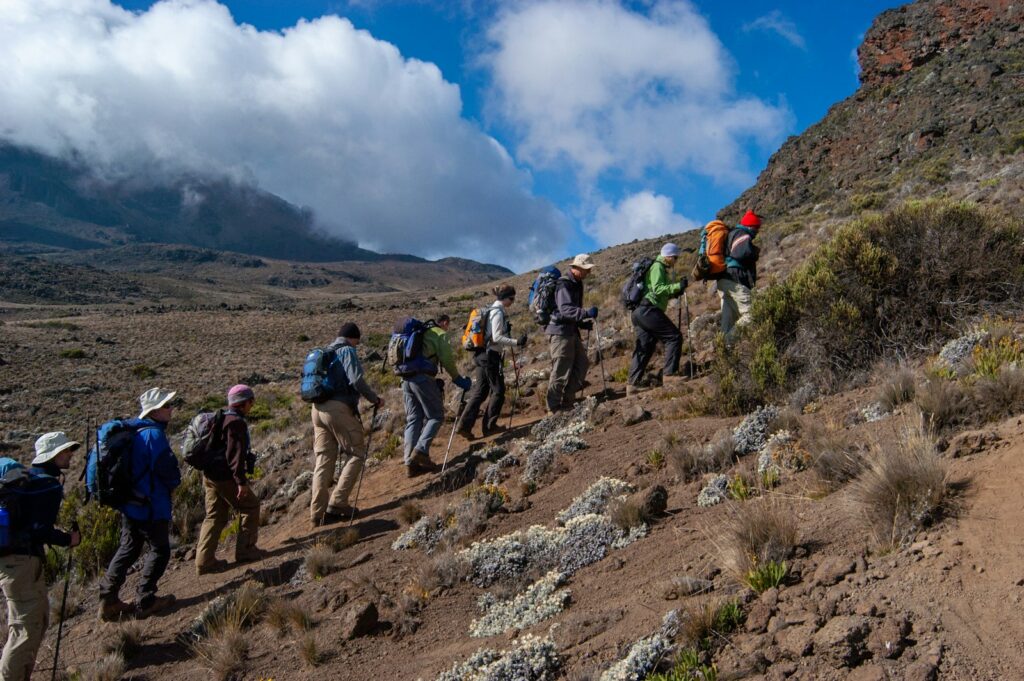
More people than you might think. Kilimanjaro National Park sets a minimum age of 10 for summit climbs, and every season sees trekkers in their 60s and 70s stand on Uhuru Peak. You do not need climbing experience, ropes or technical skills to hike Kilimanjaro. You need reasonable fitness, determination, the right number of days and a team that understands altitude.
If you have a heart or lung condition, diabetes, high blood pressure or any other medical concern, talk to your doctor before booking. Tell us about it too, so your guides know what to watch for.
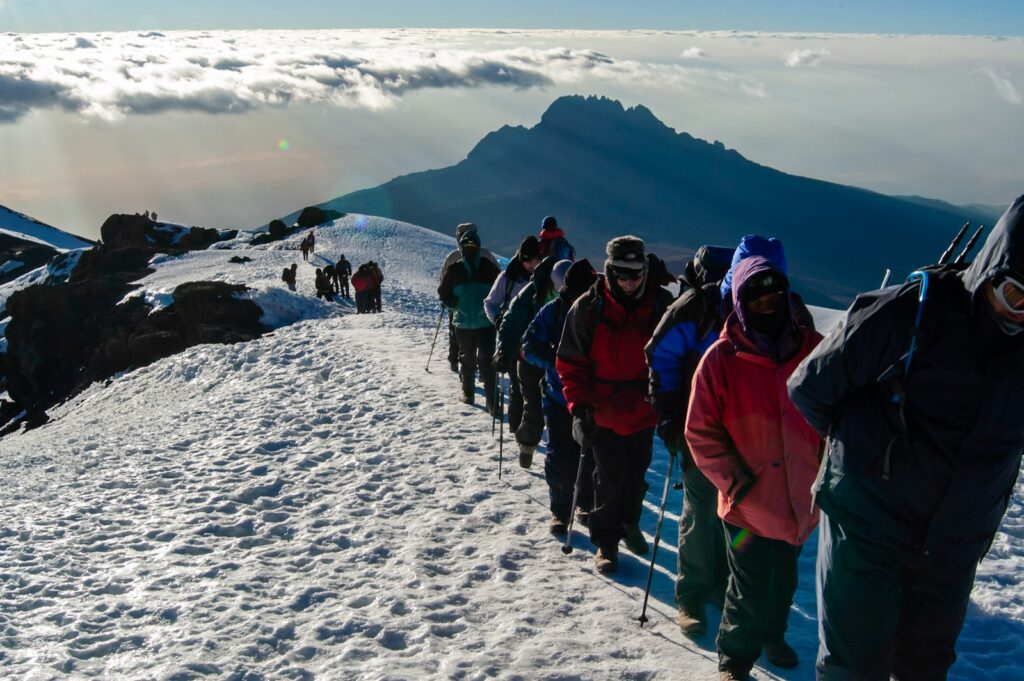
Yes and no. Kilimanjaro is a trek, not a technical climb. On most days you walk four to seven hours at a gentle pace on clear trails. The difficulty comes from three things:
So is Kilimanjaro hard to climb? It is challenging, but it is very achievable for well-prepared people who choose a sensible itinerary. The single biggest factor in your success is not fitness. It is time. Longer routes give your body a chance to adapt, and that is why we recommend seven or more days on the mountain for most climbers.
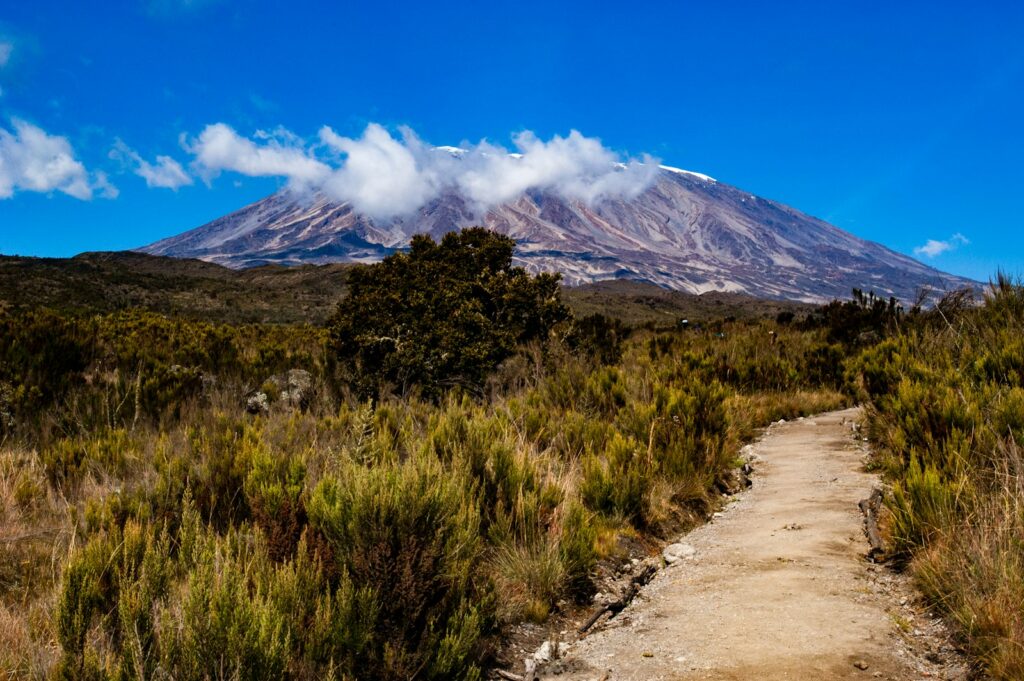
A Kilimanjaro climb takes between five and nine days on the mountain, depending on your route. Add a day or two for arrival, a briefing and kit check before you start, plus a night to recover afterwards, and most trips last eight to twelve days in total.
So how long does it take to climb Mount Kilimanjaro in a way that gives you a real chance of success? We recommend at least seven days on the mountain. Every extra acclimatisation day improves your odds of reaching Uhuru Peak and makes the climb more enjoyable. The cheapest five-day Marangu climbs have the lowest success rates on the mountain, and a missed summit is no bargain.
There are seven main routes to Uhuru Peak. Rongai approaches from the north, close to the Kenyan border, and the rest start on the southern and western sides of the mountain. Each one has its own character.
| Route | Days on the mountain | Accommodation | Best for |
|---|---|---|---|
| Lemosho | 7 to 8 | Camping | Scenery, quiet start and high success rates |
| Northern Circuit | 8 to 9 | Camping | Longest route, fewest crowds, best acclimatisation |
| Machame | 6 to 7 | Camping | Popular “Whiskey Route” with great views |
| Rongai | 6 to 7 | Camping | Drier northern side, gentler gradient |
| Marangu | 5 to 6 | Huts | Climbers who prefer bunks to tents |
| Shira | 7 to 8 | Camping | High starting point, similar to Lemosho |
| Umbwe | 5 to 6 | Camping | Steep and direct, for experienced trekkers only |
For most first-time climbers we recommend Lemosho, Machame, Rongai or the Northern Circuit, because their longer itineraries and “climb high, sleep low” profiles give you the best chance of success. Read more on our Mount Kilimanjaro page.
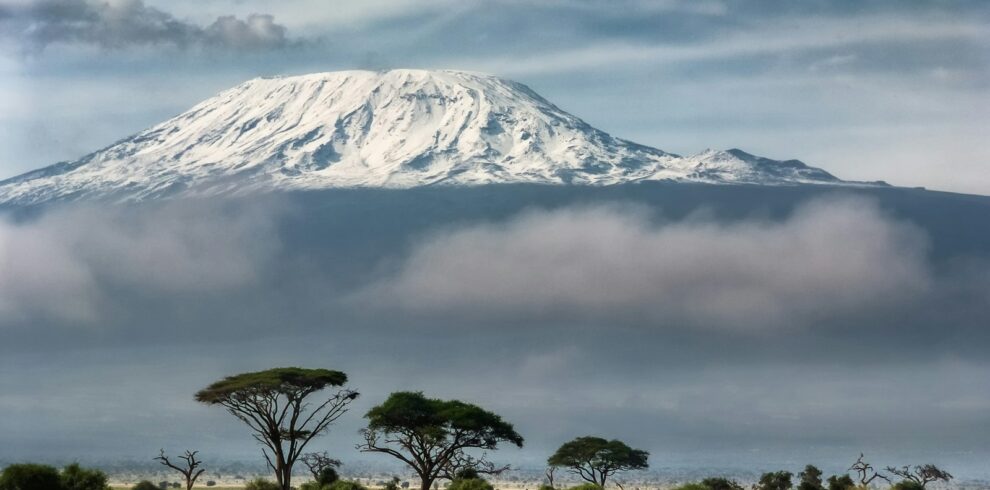
You can climb Kilimanjaro all year round, but the best time to climb Kilimanjaro is during the two dry seasons:
| Months | Season | What to expect |
|---|---|---|
| January to early March | Warm dry season | Warmer days, quieter trails, good summit views |
| Late March to May | Long rains | Wet, muddy trails and cloud. Not recommended for most climbers |
| June to October | Long dry season | Cold, clear and stable. The busiest time on the mountain |
| November to mid December | Short rains | Afternoon showers, fewer climbers, still possible on Rongai |
| Late December | Festive peak | Popular with holiday climbers, book early |
If you want clear skies and the best conditions, aim for late June to early October or January to February. If you prefer quieter trails, consider early June, late October or early March. Whatever month you choose, remember that conditions on the mountain depend more on altitude and time of day than on season.
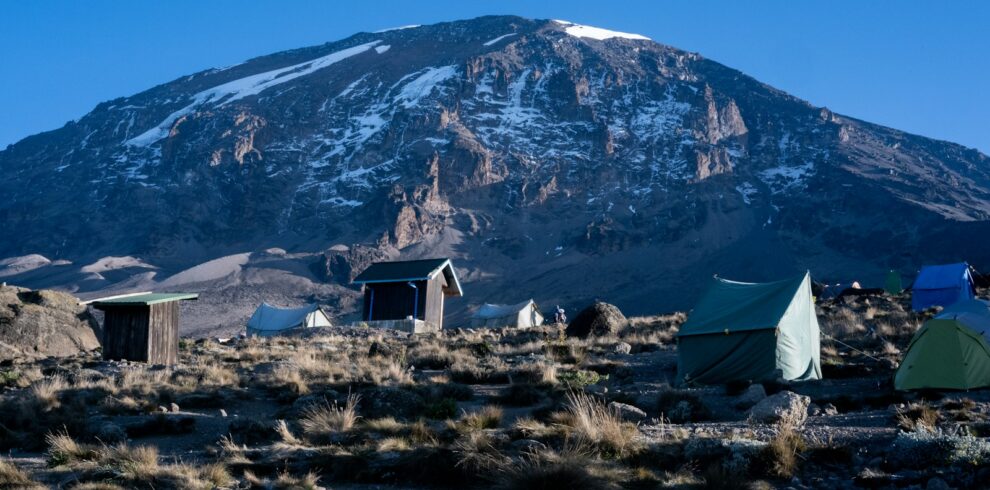
The cost to climb Kilimanjaro is higher than most people expect, and there is a good reason. Kilimanjaro National Park charges daily conservation fees, camping or hut fees and a rescue fee for every climber, and these make up a large share of the price. On top of that, a properly run climb needs a lead guide, assistant guides, a cook and a team of porters, plus quality tents, food, safety equipment and transfers.
Our Kilimanjaro trekking tours start from USD 2,400 per person for the 10 day Machame package and go up to USD 3,850 for the 12 day Northern Circuit. The exact price depends on:
When you compare quotes, look closely at what is included. A low headline price often means fewer staff, poor equipment, short itineraries or porters who are underpaid and overloaded. The cheapest climb is rarely the best value.
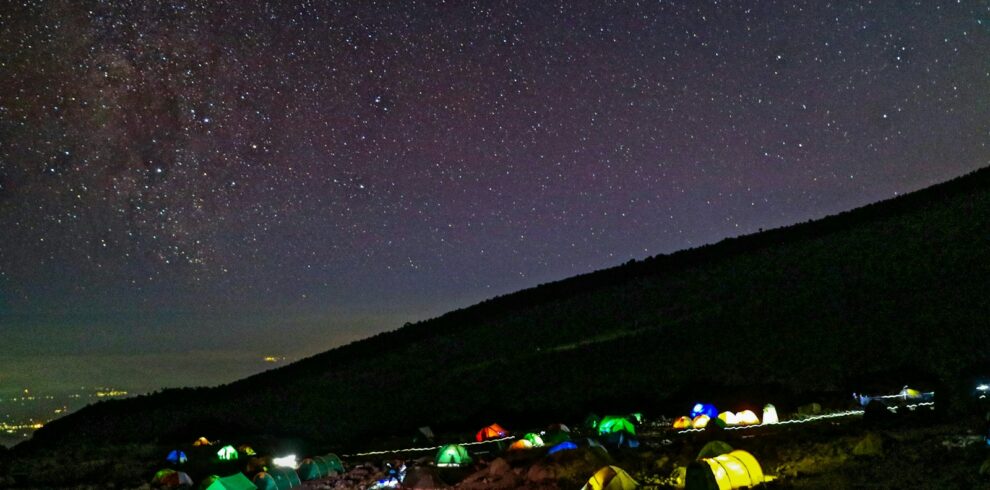
Hundreds of companies sell Kilimanjaro climbs, and the quality gap between them is enormous. When you research the best Kilimanjaro tour operators, ask these questions before you pay a deposit:
The best Kilimanjaro tour companies are happy to answer every one of these questions in detail. If you are looking for a guide company for climbing Kilimanjaro that puts your safety first and will be honest about your chances, we would love to hear from you.
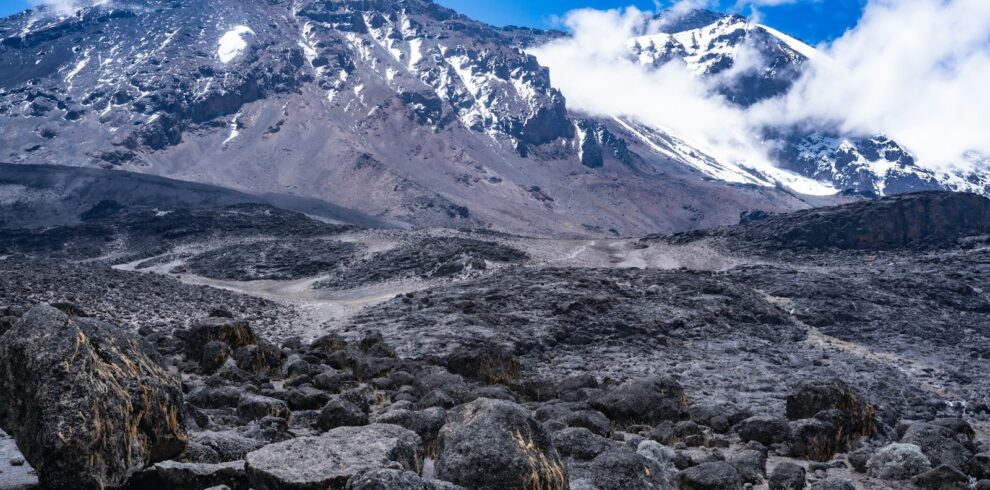
Altitude is the main risk on Kilimanjaro, and how a team manages it makes all the difference. On every climb, our guides:
Descending is the most effective treatment for altitude sickness, and our guides will never hesitate to turn a climber around when their health is at risk. No summit is worth more than your life.
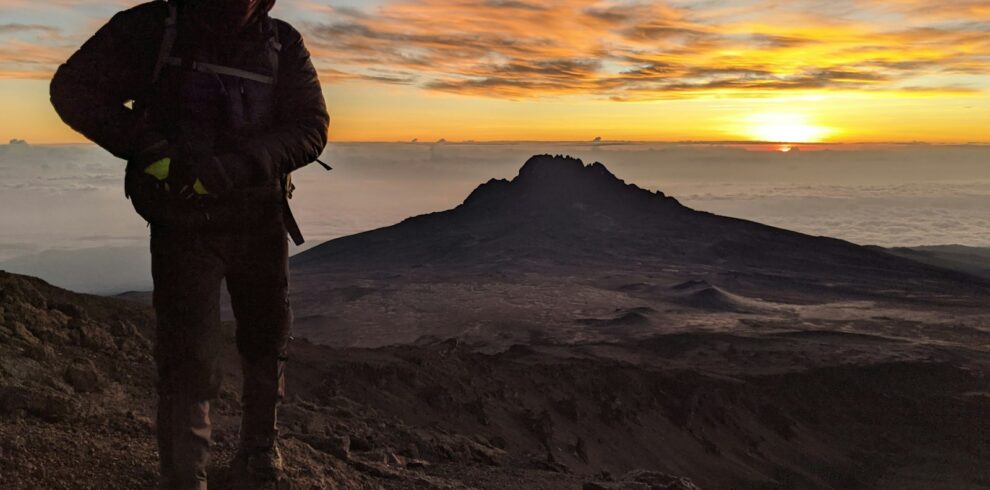
The best training for Kilimanjaro is hiking. Start at least two to three months before your trip and build up to long day hikes of five to six hours with a light daypack, ideally on hilly ground. Add stair climbing, cycling or swimming for cardiovascular fitness, and leg and core strength work to help on long descents.
Living in or visiting Kenya? Ngong Hills, Mount Longonot and Kijabe Hills make excellent training hikes near Nairobi. For the best possible preparation, climb Mount Kenya a week or two before Kilimanjaro. Spending time above 4,000 metres gives your body a head start on acclimatisation, and it is a wonderful adventure in its own right. Explore our Mount Kenya climbs.
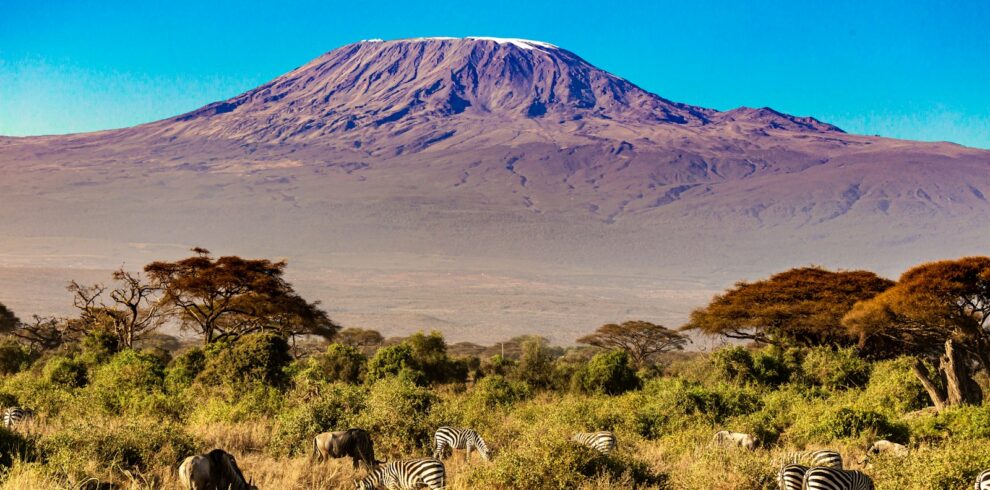
Kilimanjaro is surprisingly close to Kenya. Most international climbers fly into Kilimanjaro International Airport (JRO), which sits between Moshi and Arusha. From Nairobi you have two easy options:
Kenyan citizens and other East African Community nationals can travel to Tanzania without a tourist visa. Most other visitors need a Tanzanian visa, which can be arranged online before you travel. Note that the East Africa Tourist Visa does not cover Tanzania.
Whether you are planning your first mountain or ticking off another of the Seven Summits, our team will help you choose the right route, the right dates and the right preparation. Tell us when you want to go and how many of you are climbing, and we will put together a clear, detailed plan for your Kilimanjaro trek. Our Kilimanjaro trekking tours run all year, with the best departures in the dry seasons.
Call or WhatsApp: +254 737 990 809
Email: info@beyondalpinetrekkers.com
FAQ
The safest and most pleasant months are the two dry seasons: January to early March, and June to October. Trails are firmer, skies are clearer and summit conditions are more stable. We avoid the peak of the long rains from late March to May, when trails become muddy and visibility is poor.
Pack for every season in one trip. You will need a layering system with base layers, a fleece, an insulated down jacket and a waterproof shell, plus warm trousers, gloves, a hat and a buff. Bring broken-in waterproof hiking boots, a four-season sleeping bag, a headlamp with spare batteries, trekking poles, sunglasses, sun cream and water bottles or a hydration bladder. We send you a full packing list once you book.
Most climbers spend five to nine days on the mountain, with the time depending on the route. Including arrival and departure days, a full Kilimanjaro trip usually takes eight to twelve days. Choosing a longer itinerary gives your body more time to adapt and improves your chances of reaching the top.
You do not need to be an athlete. Kilimanjaro is a non-technical trek, so a good level of everyday fitness is enough if you train with regular long walks and hikes. What makes it hard is altitude, the cold and the long summit night. Patience, a slow pace and enough days on the mountain matter far more than speed.
Look beyond the price. A good operator recommends realistic itineraries, carries safety equipment, runs daily health checks, treats its porters fairly and gives you a detailed list of what is and is not included. Read recent reviews, ask lots of questions and pay attention to how honestly they answer.
Our guided climbs start from USD 2,400 per person and go up to USD 3,850 depending on the route and the number of days. Your quote lists every inclusion in writing, and a full-service climb with us is built around park and rescue fees, professional guides, a cook and porters, camping equipment and meals on the mountain, along with transfers to and from the trailhead.
Send us your preferred dates, group size, fitness level and any routes you are considering through our contact form, by email to info@beyondalpinetrekkers.com or on WhatsApp at +254 737 990 809. We will recommend the best itinerary for you, confirm availability and send a detailed quote. Once you are happy, a deposit secures your climb.
The longer the route, the better your odds. The Northern Circuit and Lemosho give the most time to acclimatise and have the highest success rates. Machame and Rongai also perform well when climbed over seven days. We will help you find the right balance between time, budget and summit chances.
On a typical day you walk around four to seven hours, with regular breaks for water, snacks and photos. Summit day is very different. Expect twelve to fifteen hours on your feet, starting around midnight and ending at a lower camp in the afternoon.
Summit night is cold, dark and demanding. After a few hours of rest, you set off from high camp around midnight with headlamps on, walking very slowly up steep switchbacks. Most climbers reach Stella Point on the crater rim around sunrise and Uhuru Peak shortly after. Your guides stay close the whole way, checking how you are coping.
Calm, personal and unhurried. You climb at your pace with a dedicated guide team, eat hot meals prepared by our cook and get daily health checks. We keep groups small so your guides know you by name and notice quickly if something is not right. Our aim is simple: a safe climb you will remember for the right reasons.
On every route except Marangu you sleep in tents at designated campsites. Marangu uses shared mountain huts with bunk beds. Campsites have basic public long-drop toilets, and a private portable toilet tent can be added to your climb for extra comfort. There are no showers, but the crew brings you warm water for washing each morning and evening.
Fly into Kilimanjaro International Airport (JRO), which is about an hour by road from both Moshi and Arusha. From Nairobi, you can take a short regional flight or travel by road through the Namanga border, which takes around five to six hours. We can arrange your transfer either way.
Mild symptoms such as a headache, poor appetite or trouble sleeping are common, and your guides will monitor you closely, slow the pace and make sure you rest, eat and drink. If symptoms become severe or keep getting worse, the only safe treatment is to descend, and your guides will escort you down immediately.
Plenty of it, and hot. Our mountain cook prepares three meals a day, such as porridge, eggs and toast for breakfast, soups and packed or hot lunches, and dinners of rice, pasta, potatoes, vegetables and meat. Tea, coffee and hot chocolate are served at camp. Vegetarian, vegan and other dietary needs can be catered for if you tell us when you book.
With us, from USD 2,400 to USD 3,850 per person depending on the route, duration and group size. Be cautious with prices that are much lower than average. Park fees alone account for a large share of any climb, so very cheap offers usually cut corners on staff, food, equipment or safety.
For most people, January, February and the months from June to October offer the best balance of dry weather and clear views. Avoid the long rains from late March to May. November brings short rains, though climbing is still possible, especially on the drier northern Rongai route.
If you want the clearest summit views, choose July to September. If you prefer warmer temperatures and fewer climbers, January and February are excellent. Both windows offer stable weather and good trail conditions.
It is physically demanding but not technical. You will not need ropes or climbing gear. The hardest part is summit day, which can mean twelve to sixteen hours of walking at high altitude. Taking it slowly, staying hydrated and choosing a longer route all make a big difference.
We usually suggest Machame over seven days or Lemosho over eight days for first-timers, because both include good acclimatisation. If you would rather avoid steeper sections, Rongai is a gentle option. If you would prefer to sleep in huts instead of tents, Marangu is the only hut route, though its shorter itineraries have lower success rates.
The best route depends on you. Think about how many days you have, your budget, your fitness, whether you want quiet trails or busier ones, and how much you care about scenery. For most climbers, Lemosho, Machame, Rongai and the Northern Circuit offer the best combination of safety, success and views.
Every quote we send lists all inclusions in writing. A full-service climb with us is built around Kilimanjaro National Park fees, professional guides, cooks and porters, camping equipment, meals and drinking water on the mountain, daily health monitoring, and transfers to and from the trailhead. Hotel nights before and after the climb and airport transfers can be added to your package.
International flights, visa fees, travel insurance, personal trekking gear and clothing, tips for your guides and crew, and personal spending such as drinks, souvenirs and laundry are not included. Insurance that covers high-altitude trekking up to 6,000 metres and emergency evacuation is essential.
Tipping is an important part of how guides, cooks and porters earn their living. As a rough guide per day for your whole group, many climbers give around USD 20 to 25 for the lead guide, USD 15 to 20 for each assistant guide and the cook, and USD 8 to 10 for each porter. Tips are usually handed over at a small ceremony at the end of the climb.
Kilimanjaro is safe for well-prepared climbers who travel with a responsible operator. Most problems come from altitude, so the key safety factors are a sensible itinerary, a slow pace, regular health checks and guides who know when to turn back. Good travel insurance and honest communication with your guides complete the picture.
Yes. Just let us know when you book, and our cook will plan vegetarian meals for your whole climb. We can also cater for vegan, gluten-free and most other diets with advance notice.
Our cancellation and rescheduling terms are set out in our booking conditions, and the amount refunded depends on how close to departure you cancel. Contact us for the full details before you book. We strongly recommend travel insurance that covers cancellation for reasons beyond your control.
Most climbs take six to eight days on the mountain. Shorter climbs are possible but not recommended, because they leave little time to acclimatise and lower your chances of reaching the summit. For most people, seven days or more is the sweet spot for safety and success.
It depends on the altitude more than the month. In the rainforest at the bottom, days are warm and humid at around 20 to 27°C. As you climb, temperatures drop steadily. At the summit, nights can fall to around minus 15 to minus 20°C with wind chill, while sunny afternoons in the lower camps can feel warm.
You bring your personal clothing and gear, and we provide the group equipment such as tents, dining tents, cooking gear and food. Your key items are good boots, a warm sleeping bag, a down jacket, waterproofs, layers and a daypack. Our porters carry your main bag, so on the trail you only carry water, snacks, a camera and a spare layer.
Give yourself at least two to three months. Focus on long hikes of four to six hours on hilly ground with a light daypack, and build up gradually. Add cardio such as cycling, running or stair climbing, and strengthen your legs and core. If you can, climb Mount Kenya first for a valuable taste of high altitude.
Like any high-altitude trek, it carries risks, mainly altitude sickness, cold and fatigue. These risks can be managed with good planning. We use longer itineraries, check every climber’s oxygen levels and pulse twice a day, carry first aid equipment and emergency oxygen, and have a clear plan to bring anyone down quickly if needed.
Because something is missing. Park fees are fixed, so very cheap climbs usually save money elsewhere: underpaid porters, overloaded bags, poor food, worn-out tents, inexperienced guides or itineraries that are too short. Those savings come at the expense of your comfort, your safety and your chance of reaching the summit.